Manufacturing businesses require careful financial planning because equipment is only one component of total startup expenditure. Entrepreneurs entering the fastener industry should understand both the initial investment and the recurring operating costs before beginning production.
A realistic budget makes it easier to evaluate profitability, manage cash flow, and decide how quickly a business can expand.
Start With Market Research
Financial planning should begin with demand rather than machinery.
Entrepreneurs should identify potential customers and determine which products are most likely to sell. Different markets may prefer different nail sizes, finishes, packaging quantities, and quality levels.
This information can guide both machinery selection and production capacity.
See also: Top Tokyo Travel Attractions Tourists Love
Major Investment Categories
A manufacturing budget may include several categories.
Machinery
Production equipment is usually one of the largest initial expenses. The required machinery depends on product specifications and desired production capacity.
Facility
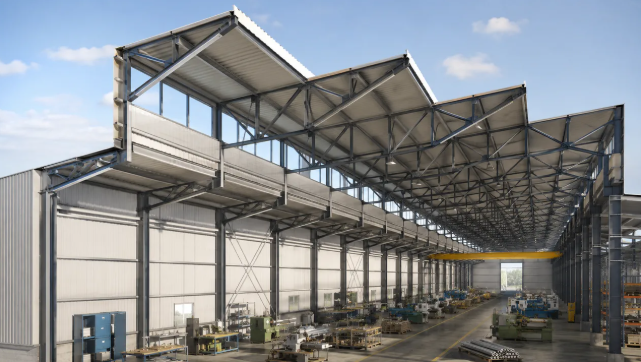
Factory rent or construction, electrical systems, ventilation, flooring, lighting, and material-handling arrangements can add significant costs.
Raw Materials
Steel wire and other production materials must be purchased before finished goods can be sold.
Labor
Operators, technicians, quality-control staff, packaging workers, and administrative employees may all be required.
Packaging
Finished nails need appropriate packaging for storage, transportation, and customer use.
Evaluating Machinery Investment
Understanding nail making machine cost is important, but entrepreneurs should avoid making decisions based on purchase price alone.
A lower-cost machine may have different production capacity, automation, maintenance requirements, or energy consumption compared with a higher-specification model.
The better question is whether the equipment fits the planned production volume and expected return.
Operating Costs
Monthly expenses can include electricity, labor, maintenance, raw materials, packaging, transportation, rent, and administrative costs.
Businesses should estimate these expenses conservatively.
Unexpected maintenance and changes in material prices should also be considered when building a financial model.
Calculating Production Capacity
Capacity calculations help determine whether a proposed machine can meet expected demand.
Entrepreneurs should consider actual operating time rather than theoretical maximum output. Downtime, maintenance, setup, quality inspections, and material changes can all reduce practical production capacity.
Break-Even Analysis
Break-even analysis helps determine how much product must be sold before the business covers its costs.
The calculation should include both fixed and variable expenses.
A business with strong production capacity may still struggle if market prices are too low or distribution costs are too high.
Quality and Waste
Production waste can affect profitability. Poor raw materials, incorrect machine settings, defective products, and inefficient packaging can all increase costs.
Quality-control procedures can therefore contribute directly to financial performance.
Planning for Growth
A new business should avoid investing heavily in unused capacity unless future demand is reasonably predictable.
A staged expansion strategy may be more practical. Businesses can begin with a focused product range and increase capacity as customer demand becomes established.
FAQs
What is the biggest expense in a nail manufacturing business?
Machinery and facility setup can represent major investments, but the exact cost depends on production capacity and business scale.
Why is working capital important?
Businesses need cash to purchase materials, pay employees, maintain equipment, and cover operating expenses before customer payments are received.
Should entrepreneurs buy the cheapest machine?
Not necessarily. Productivity, reliability, maintenance, quality, and total operating cost should all be considered.
Conclusion
A successful manufacturing budget must look beyond equipment purchase price. Entrepreneurs should evaluate the complete financial picture, including premises, raw materials, labor, energy, maintenance, packaging, distribution, and working capital.
Careful budgeting can reduce financial surprises and provide a stronger foundation for sustainable growth.